Eco-Friendly Landscaping: Sustainable Practices for a Greener Backyard Mar 18, 2026
Landscaping plays a significant role in sustainability. When done thoughtfully, it conserves resources and supports local ecosystems. By adopting eco-friendly practices, you can reduce water usage, decrease waste, and lessen the impact on Mother Nature—all while creating a stunning landscape that you’ll love year-round.
To embark on this eco-friendly journey, start with choosing native plants. Native species are adapted to the local climate and soil conditions, requiring less water and maintenance. They also provide habitats and food sources for local wildlife, fostering a thriving ecosystem right in your backyard. Consider plants like coneflowers, bee balm, or hostas, which offer a splash of color and are hardy in many regions.
Water conservation is another critical aspect of sustainable landscaping. Employing smart irrigation systems and rainwater harvesting can significantly cut down on water waste. Smart systems allow you to water your garden efficiently, adjusting for weather conditions and soil moisture levels. Additionally, installing a rain barrel is an easy and impactful way to collect rainwater that can be used during drier seasons.
Composting is a fantastic practice to incorporate into your landscaping routine. By starting a compost pile, you can turn kitchen scraps and garden waste into nutrient-rich soil. This natural fertilizer not only reduces waste but also improves soil health, supporting robust plant growth without the need for chemical fertilizers.
Incorporating hardscape features made from sustainable materials is an effective way to enhance the beauty of your backyard while staying eco-conscious. Opt for recycled or reclaimed materials such as stone, brick, or wood sourced from sustainably managed forests. These choices reduce the carbon footprint of your landscape project and add unique character to your outdoor space.
Besides structural elements, consider the environmental impact of your garden furniture and accessories. Choose items crafted from recycled materials or certified sustainably sourced wood. Solar-powered lights are another eco-friendly addition, providing illumination without increasing your electricity bill or reliance on non-renewable energy sources.
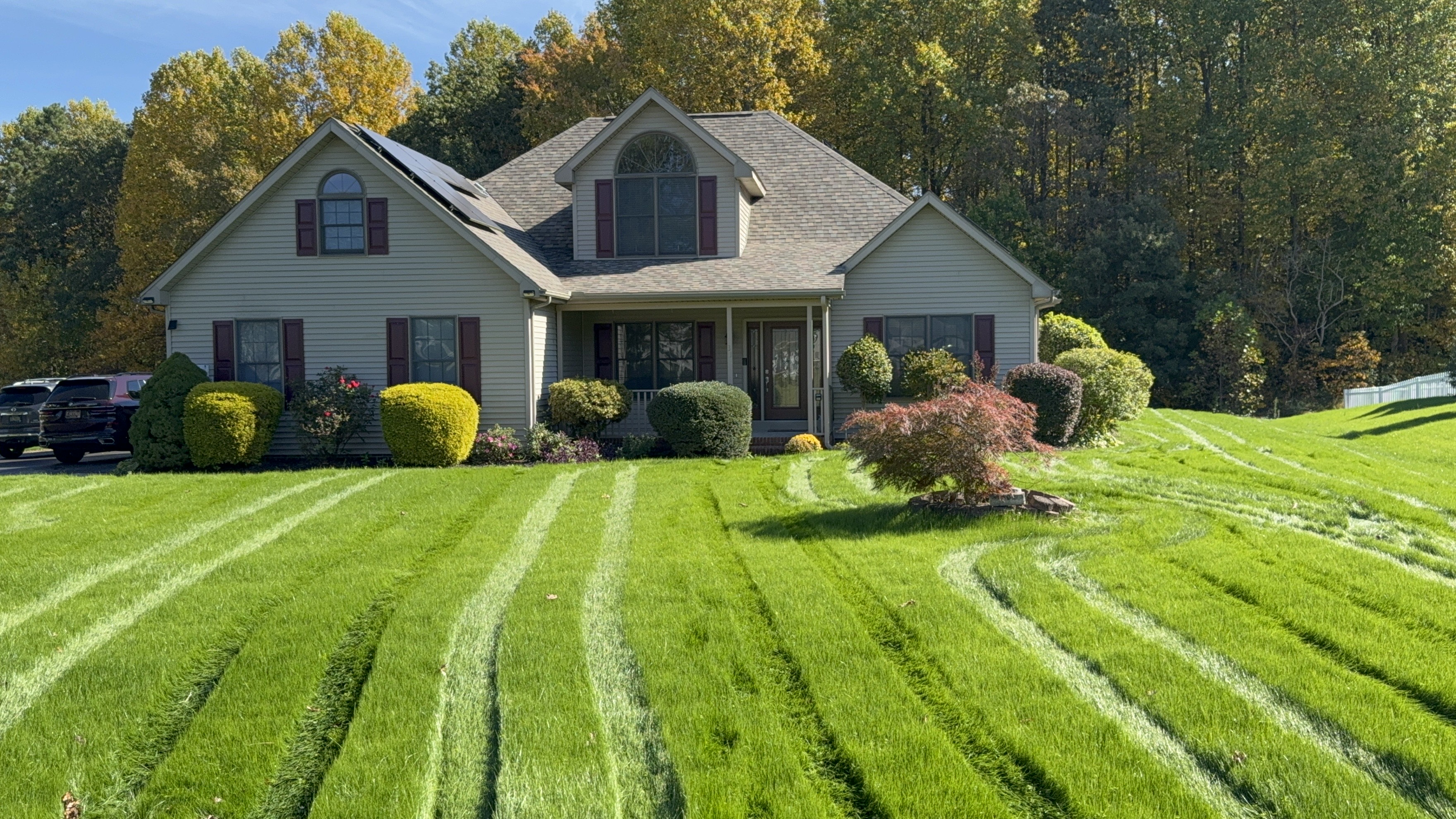
Maintaining a healthy lawn doesn't have to involve chemical-laden fertilizers and pesticides. Using organic lawn care techniques, such as the application of natural compost tea or plant-based fertilizers, can keep your grass lush and green. Moreover, traditional mowing practices release carbon emissions. Why not try using manual reel mowers or electric models to keep your lawn trimmed in a greener way?
As you implement these eco-friendly practices, consider the role your backyard plays in the larger community and ecosystem. Engaging with environmental groups and attending local landscaping workshops can further enhance your knowledge and impact. Sharing your sustainable successes can inspire others to create their own green backyards, contributing to a wider movement towards environmental responsibility.
Making the shift to sustainable landscaping is all about taking small, impactful steps. At Solid Ground Outdoor Living Solutions, we are passionate about promoting practices that protect our planet while enriching your outdoor living experience. As more homeowners choose eco-friendly landscaping, together we can help ensure a healthier environment for future generations. Your backyard has the potential to be not only a personal retreat but also a testament to your commitment to sustainability. So, let’s get started on creating a greener backyard today!
/filters:no_upscale()/filters:format(webp)/media/95d68657-aacf-48ef-8bbc-48561614789e.jpeg)