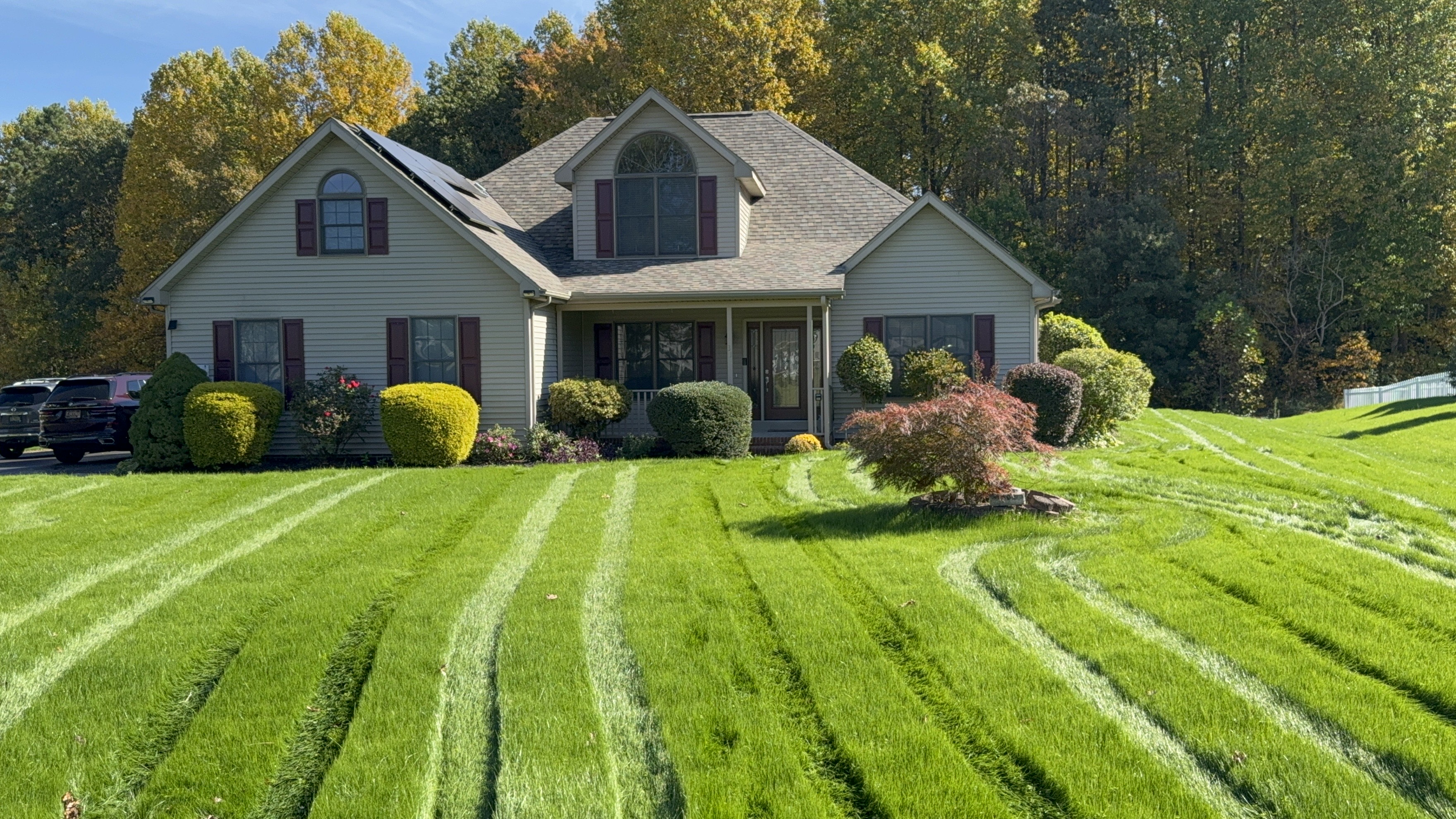
Revitalize Your Lawn: Sustainable Practices for a Greener Outdoor Space Mar 10, 2026
Start by assessing your current lawn care routine. Often, traditional lawn maintenance can be resource-intensive, relying heavily on water, fertilizers, and pesticides. The overuse of these resources not only impacts your local ecosystem but can also lead to unnecessary costs. Transitioning to sustainable lawn care begins with understanding your lawn’s specific needs.
Choosing the right type of grass is crucial. Opt for native or drought-resistant grass varieties. These require less water and are naturally more resistant to local pests and diseases. This means a lusher lawn with less effort. Native grass varieties are adapted to the regional climate and soil, cutting down on the need for fertilizers and extra watering.
Water conservation is another key aspect of a sustainable lawn. Lawns often require significant amounts of water, but this can be minimized through smarter watering practices. Water your lawn deeply but less frequently, which encourages roots to grow deeper into the soil, making your grass more drought-resistant. A good rule of thumb is to water in the early morning or late evening when evaporation rates are lower, ensuring the ground absorbs more moisture.
Next, consider the benefits of organic fertilizers. Synthetic fertilizers can disrupt the natural nutrient cycle of your soil and contribute to pollution. Instead, organic options, like compost or well-composted manure, enhance soil health and boost microbial activity, which in turn supports vigorous plant growth. Composting yard waste and kitchen scraps not only reduces landfill waste but creates a natural, nutrient-rich conditioner for your lawn and garden.
Further enrich your soil through aeration. Lawn aeration helps address compacted soil, allowing air, water, and nutrients to penetrate deeper. This process can be done using an aerator, which creates small holes in the soil, encouraging better growth and health for your grass. Ideally, aeration should be done in the growing season when the grass can heal and grow into the created spaces more effectively.
Maintaining your lawn's height is equally important. Set your mower blades to the correct height, usually between 2.5 to 3.5 inches depending on your grass type. Taller grass shades the soil, reducing evaporation and the growth of weeds. Leaving grass clippings on the lawn can also provide a natural mulch, returning nutrients to the soil.
In conclusion, revitalizing your lawn through sustainable practices is not only beneficial for the environment but also for the health and appearance of your outdoor space. By selecting native grasses, conserving water, using organic fertilizers, and maintaining proper mowing techniques, you can cultivate a lawn that is both beautiful and eco-friendly. At Solid Ground Outdoor Living Solutions, we support your journey towards a greener, more sustainable lawn that provides lasting enjoyment. Embrace these practices, and watch your outdoor space become a thriving, green oasis.
/filters:no_upscale()/filters:format(webp)/media/95d68657-aacf-48ef-8bbc-48561614789e.jpeg)